Office professionals
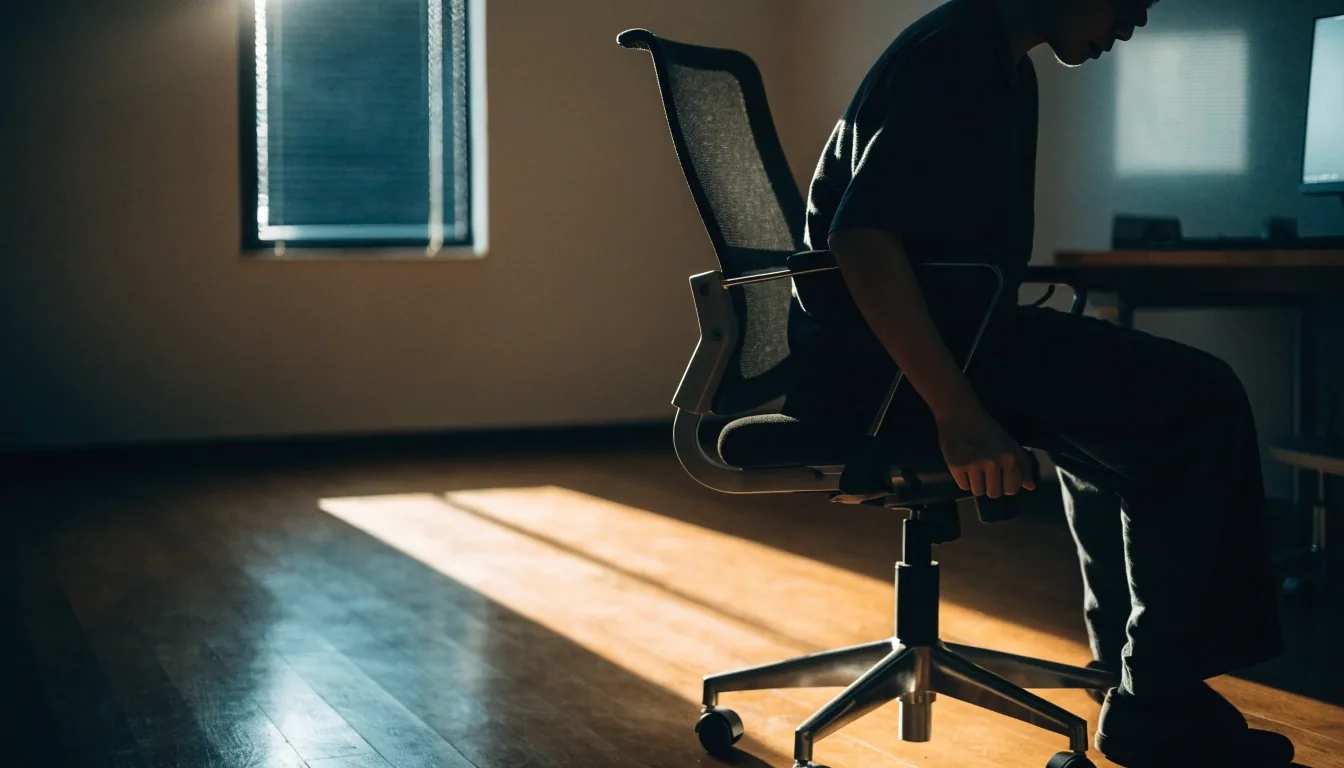
Full days in a company chair, often in open-plan floors where nobody has ever looked at your screen height. Start with the workstation setup pages.
Editorial desk · Surabaya
Practical, evidence-informed guidance on workplace ergonomics, kinetic mobility, and posture balance — written for desk-based professionals in Indonesia and elsewhere.
Most advice online is either too clinical to use or too sales-driven to trust. We publish the version that holds up over a full working week.
Why we started this
The shift to hybrid work left a lot of people managing two different desks with no training in either. Office chairs were inherited or bought quickly. Home setups were assembled from whatever was available. The result is a large group of people spending eight hours a day in positions nobody ever checked.
We write for that group — not for ergonomics professionals, not for procurement teams, but for the person who finishes a Tuesday with a stiff neck and wonders what to change.
Our editorial focus sits in three connected areas: how a workstation is arranged, how the body moves through a working day, and how posture is balanced rather than held. That translates into pages on chair selection, monitor and desk setup, micro-breaks, and neutral posture.
How a desk is arranged
Seat height, lumbar contact, armrest position, screen distance and height — the parts you can adjust this afternoon with a tape measure and a chair that came with instructions nobody read.
How the body moves
What to do between tasks, how often to stand, and why small position changes during the day matter more than one grand stretch at 6pm.
How posture balances
What "neutral" actually means at a keyboard, and why holding any single alignment all day is not the goal.
We deliberately avoid medical claims. We are not a clinic and we do not diagnose. When we describe guidance from workplace health sources, we say so and stay within what that guidance actually states.
Every page starts with primary material: manufacturer specifications, product documentation, and published workplace health guidance. We read the source, note what it actually claims, and then write the practical version for a reader who has ten minutes and a chair to adjust.
We do not invent numbers. If we cannot verify a figure, we leave it out. If a claim comes from a specific source, we describe it as that source's guidance rather than presenting it as settled fact. That is slower than publishing a listicle, and it means some pages are shorter than we would like. It is the trade we chose.
Read the primary source
Manufacturer documentation, product manuals, and published workplace health guidance — the actual text, not a summary of a summary.
Note what it claims
Separate what the source states from what is commonly repeated about it. If a figure has no traceable origin, it does not go on the page.
Write the practical version
Translate the guidance into steps a reader can take at their own desk, in the order they would actually do them.
Label the limits
Say where the source stops, what it does not cover, and when a question belongs with a clinician rather than a guide.
What we do not do
We do not sell chairs or receive commission on purchases. We do not publish sponsored rankings, and we do not accept payment for placement in a comparison.
If a page mentions a specific model, it is because that model illustrates a feature or a category worth explaining, not because of a commercial relationship. When we describe what an adjustable lumbar pad does, a specific chair can make that concrete. When we discuss what imported chairs signal about the local market, a real listing helps ground the point. Those mentions stay factual and limited to what the product documentation states — no prices, no offers, no affiliate framing.
We also do not tell you there is one correct posture. The evidence we point readers toward runs the other way: frequent position changes matter more than any single ideal alignment.
If a page ever reads like a sales pitch, that is a mistake on our side and worth flagging. Write to the editorial desk and we will look at it.
Our reader is typically a professional who spends six or more hours a day at a computer. Many are in Indonesia, working from offices in Jakarta, Surabaya, Bandung, or from home. Some are students, freelancers, or remote employees for overseas companies. The common thread is long screen hours and a chair that may or may not fit.
Full days in a company chair, often in open-plan floors where nobody has ever looked at your screen height. Start with the workstation setup pages.
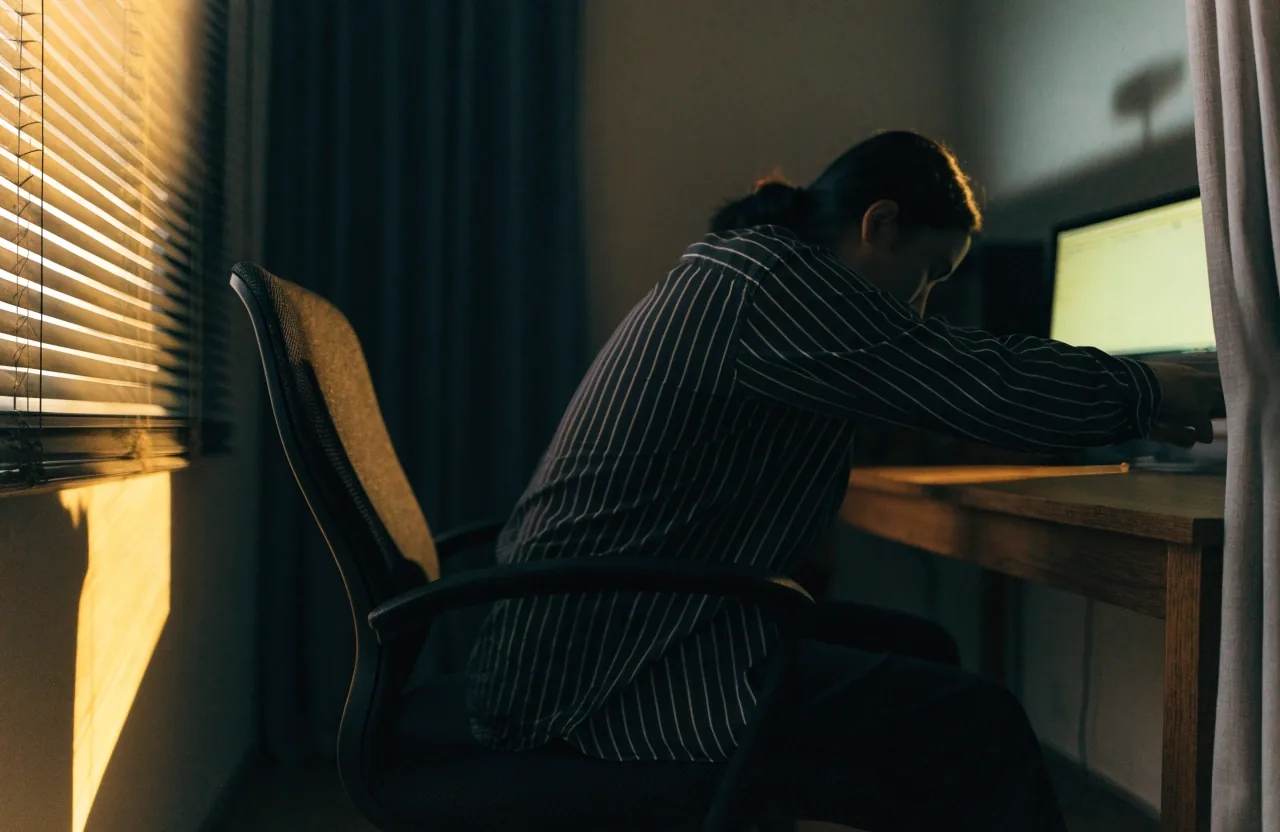
Two desks, two chairs, neither of them chosen with a tape measure. The movement and micro-break material is written for this group first.
Long study sessions on whatever desk fits the room. Most of the adjustments we describe cost nothing but attention.
We write in English because that is the working language for many of our readers, even though the site is based in Surabaya. If a term reads oddly, it is probably the trade name for a part on your chair rather than a technical idea — check the guide for that page.
Any position held all day stops being neutral.
Product mentions serve explanation. A guide about lumbar support is easier to follow when a real chair makes the adjustment visible. A guide about the local market is easier to trust when a real listing is the reference point.
We keep those mentions factual and limited to what the product documentation states. No prices, no offers, no affiliate framing. If a model appears on a page, the reason is on that page in one sentence.
This also means we do not rank chairs against each other as a shopping list. When two models appear together, it is to show a difference in adjustment range or construction, not to steer a purchase.
If we get something wrong, we fix it. Readers can write to [email protected] with a correction, a question, or a request for a topic. We read all of it, though we cannot always reply individually.
We do not run a comments section, mainly because moderation would pull time away from writing. Email works better.
Email the editorial deskEditorial desk, Surabaya
SolidShift Ergonomics is based at Jl. Basuki Rahmat No. 129, Embong Kaliasin, Genteng, Surabaya, Jawa Timur, 60271. The editorial phone line is +62 31 539 6500, open Monday to Friday, 9:00 AM – 6:00 PM.
The site is published in English for readers across Indonesia and beyond. Questions about a specific page, a topic you would like covered, or a correction all reach the same inbox — [email protected].

Where to go next
The setup guide walks through seat height, screen distance and desk arrangement in the order most people adjust them. If you would rather ask a question first, the editorial desk reads everything that arrives.
Also worth reading
Ergonomic Chair Guide Movement & Micro-Breaks Posture Balance BasicsSolidShift Ergonomics · Jl. Basuki Rahmat No. 129, Embong Kaliasin, Genteng, Surabaya, Jawa Timur, 60271 · +62 31 539 6500 · Monday to Friday, 9:00 AM – 6:00 PM